
- News
- Woman of 'principals' is at the school door
This story is from May 30, 2013
Woman of 'principals' is at the school door
Sunita Chouhan is an RTE foot soldier who is slowly turning into a warhorse, unfazed by obstacles in her path.

Sunita has built quite a reputation as an RTE warrior.
Whenever she is refused, she immediately writes to the CM, chief justice of the Delhi high court and education officers till the child is admitted. A principal of an MCD school learnt it the hard way when the name of Kajal, a weak Class III student, was removed from the rolls. “When I asked him why, I was given various excuses — the child was mad, was a thief….I refused to give up and badgered the principal till she was taken back. Today, Kajal is in Class XII,” says Sunita.
Like Kajal, there are many children who are refused admission despite the Right of Children to Free and Compulsory Education (RTE) Act, 2009, making it compulsory for schools to enroll at least 25% of students from disadvantaged and weaker sections. And it is the selflessness of committed volunteers like Sunita which has got many poor students into the mainstream of society.
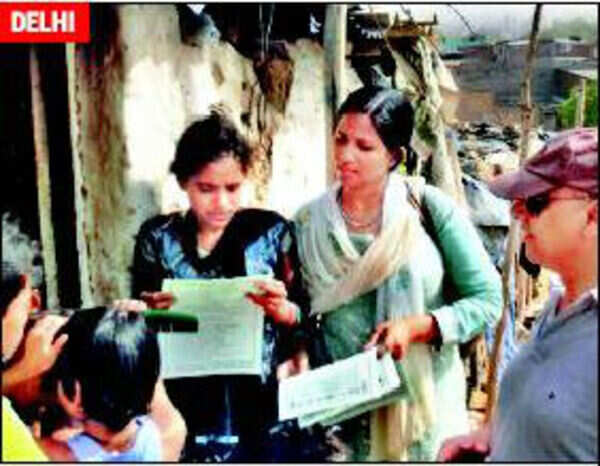
This mother of two would often land up at schools with a few kids and ask that they be admitted under RTE. Principals hated her, baulked at seeing her. “They would shamelessly ask me money for admissions, demand birth certificates, residence proofs and affi - davits when, in fact, none is needed. I would often be thrown out,” she recalls.
If nothing worked, she would appeal to NGOs. Ashok Agarwal, a member of Social Jurist, a group of lawyers and activists, says, “Sunita is a real fighter. Armed with grit and gumption, she refuses to give in till the child is admitted to school.”
But when kids thank her, it compensates for all her hard work and trouble. “This is my certificate. And RTE makes this possible,” she says.
Using RTE
The child should be between 6-14 years
Ask for admission under RTE; the school should provide a class appropriate to the child’s age
No need for any documents or admission tests
If a school denies admission, complain to the education department
End of Article
FOLLOW US ON SOCIAL MEDIA
Photostories

Hot Picks
TOP TRENDING
Popular Categories
Hot on the Web
Top Trends
IND vs BAN Live ScoreRussell WilsonsVirat KohliMickey ArthurShantanu NaiduUGC NET ResultNobel Peace PrizeMahadev Betting AppAmazon LayoffsRatan Tata DiesCBSE Class 10 12 Practical ExamPopular Schools in Navi MumbaiManagement Colleges of IndiaTop Medical Colleges of IndiaTop Engineering Colleges of IndiaTop Pharmacy Colleges of IndiaLive Cricket Score
Trending Topics
Diwali WishesDussehra 2024 QuotesDussehra WishesVettaiyan OTT ReleaseVettaiyan CollectionVettaiyan ReviewNatasa StankovicDevara CollectionBigg Boss 18Deepika PadukoneShraddha KapoorRatan Tata Passed AwayJigra Movie ReviewVettaiyan Movie ReviewSwatantrya Veer SavarkarDussehra 2024Elon MuskDussehra Whatsapp StatusUltimate Football Codes October 2024Wordle Answer
Living and entertainment
Latest News
Challenging Aspects in Astrology: What They Mean for YouNew Zealand pile pressure on India after routing Sri LankaInfosys to no longer send job offer letters and attachments, the company will ...Discover 8 animals that suck blood for survivalHappy Dussehra 2024: Top 50 Wishes, Messages, Images and Quotes to Share with Your Loved OnesIn the land of Ram, a Ramlila that unites Hindus and Muslims'Singham Again' stars Ajay Devgn, Kareena Kapoor, Rohit Shetty spotted at airport as they jet off for Raavan Dahan in Delhi - Watch VIDEOPapankusha Ekadashi 2024: Date, Parana Time, Puja Rituals and Significance'Bigg Boss OTT 3' contestant Ranvir Shorey admits lack of patience for 'Bigg Boss', enters the show unprepared7 dead, 1 missing after car plunges into canal in HaryanaETimes Pic of the day: When Indrajith Sukumaran bumped into Mukesh Ambani at a traffic signalDid you know NTR is the only actor to play both Lord Rama and Ravana?TDB will go ahead with online darshan bookings at Sabarimala templeWho is judge Arun Subramanian? New Judge assigned to Sean 'Diddy' Combs sex-trafficking casePrasanth Varma shares his passion for superhero films inspired by mythology and magic'Against anyone who ... ': Congress snubs Owaisi after 'take everyone along' remarkIsrael army warns south Lebanon residents 'not to return to homes'Los Angeles recognises October 11 as National Coming Out Day
Copyright © 2024 Bennett, Coleman & Co. Ltd. All rights reserved. For reprint rights: Times Syndication Service